The Langtang Valley Trek is the convergence of near-Kathmandu Himalayan beauty, cultural exploration, and varied frames for one of the very best trekking experiences on offer in Nepal. Packing is how you prepare for the Langtang Valley Trek that can determine snugness, security, and experience out on the trail.
For a fresher trekker or seasoned hiker, each important piece of gear packed for the Langtang Valley Trek helps you prepare yourself for weather changes at whichever time of the day and altitude challenges by long day walking to your destination. A well-informed packing list of trekking gear minimizes the weight, and it makes sure that you bring all the necessary items with you for an amazing trek in Nepal.
Langtang Valley Trekking Weather Conditions & Required Equipment
The trek will introduce you to high ranges of the Himalayas, including Kyanjin Gompa, where temperature varies extremely in the day and night. However, unlike the trekkers, who experience forests, rocky paths, mountain heights, and high-altitude mountain regions, your friend’s line equipment needs to break. Your packing list for the Langtang Valley Trek should be ideally made of lightweight and durable or weatherproof equipment.
On the other hand, modern trekking guidelines emphasize minimalism, sustainable travel materials, and multipurpose tools. As a result, the less weight you have in tow, the better your power financial savings will likely be. Being aware of trail conditions prior to your journey allows trekkers to carry lighter with appropriate layers, as opposed to overpacking and weighing themselves down (the base layers, outerwear, and accessories).
Choose Your Pack and Storage System
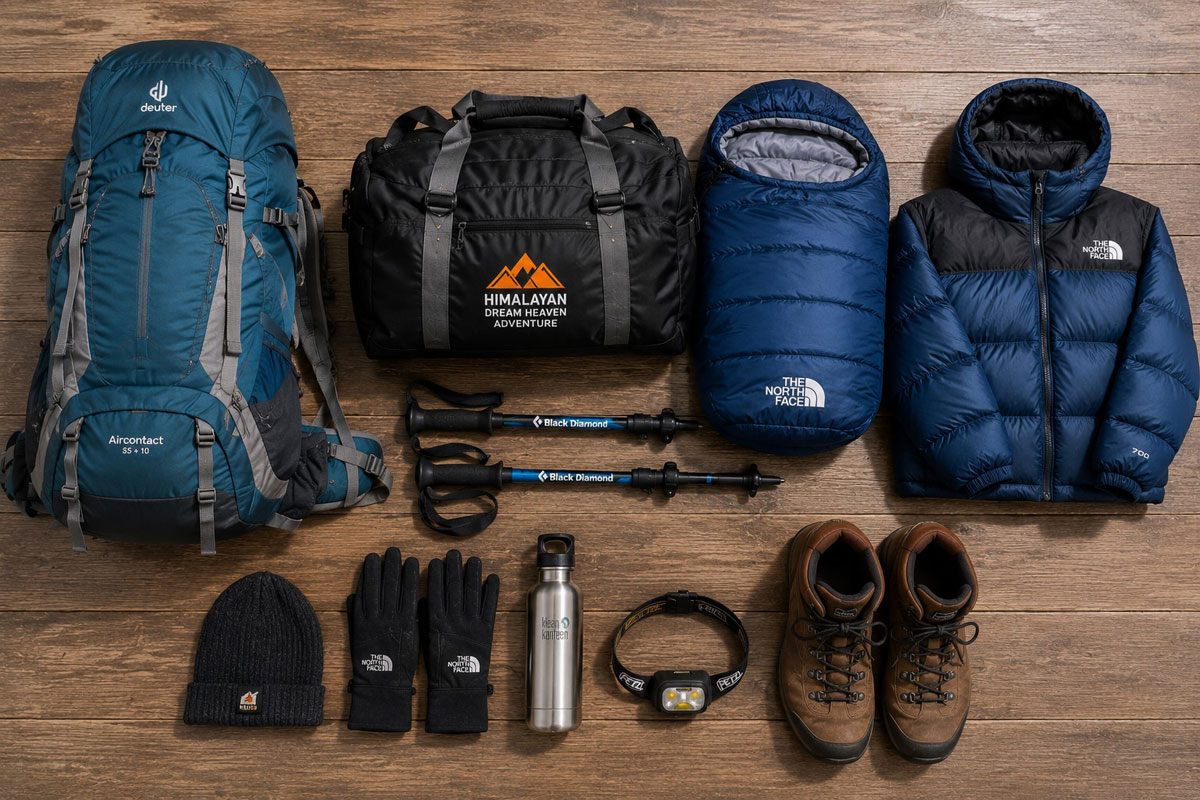
Trekking gear, which will enhance the success of all preparations for the Langtang Valley Trek, is a comfortable trekking backpack. Most standard trekkers opt for midweight or lightweight packs that offer balanced support and adjustable straps to carry the necessities with just enough room for personal items. Items like a rain cover to safeguard necessary items from the capricious Himalayan conditions and waterproof storage bags for clothes, accessories, electronics, and papers. Pack heavier items closer to the back, often-used items on top, or in easy-to-access compartments. The correct packaging balances and will support you to hold much less metal baggage while hiking progressively over the Langtang area.
Wear layers to adapt your clothes according to the change in weather conditions in the Himalayas.
A correct clothing system is one of the most important Langtang trekking equipment requirements. Layering is a versatile approach because it accounts for changes in temperature from lower villages and the flux of more elevated reaches. The moisture-wicking base layer keeps the body dry and soothed, followed by fleece insulation that warms a chilly morning or evening.
Outer jacket, but it can be windproof and waterproof, and it protects from rain and snow as well as high mountain winds also. Next up are trekking pants, cotton & thermal wear, warm socks, and a few gloves and a nice hat, which are certainly going to be helpful to you. As pack weight is avoided at all costs, so are the trends nowadays in outdoor apparel and gear, with emphasis on the raved breathability of materials and lightweight insulation above all.
Selecting Footwear and Trekking Accessories
This is also where your trekking equipment—good boots will make all the difference for your Langtang Valley trek. You wear comfy and robust hiking boots with ankle support, slip-resistant soles, and water-repellent features to avoid injuries due to uneven terrain & muddy trails. Comfort is then proven right that you buy a boot ahead of the trip, hence a lower blister chance.
Trekking accessories: The most important trekking accessories are a pack with a pair of trekking poles, sunglasses, a headlamp or flashlights, good reusable water bottles, and products for sun protection. Trekking poles help during climbs and strides up high hills, polarized scrub against the (harsh light in your eyes) in the Himalayan sun. These small components are the aesthetics, protective features, and comforts on your travels.
Health and safety and personal care
Packing a personal health kit for your trek in Langtang Valley is another important point to practice while preparing. Altitude, cold temperatures, and the demands of physical activity mean trekkers must be equipped with basic first aid supplies as well as personal medication. Sunscreen, lip balm, hand sanitizer, biodegradable toiletries, and fast-drying towels would keep their hygiene during the journey.
Another trend is water purification, which should be used by travelers with a greener mindset and can be done either through filters or tablets. Adequate hydration and nutrition primes the body for trekkers to adapt well to trekking circumstances. This not only helps in cutting packaging levels, but it also reduces plastic contamination and supports sustainable tourism in Nepal’s mountain areas.
Electronics and Modern Trekking Technology
Long before the internet and Google, travelers prepped for once-in-a-lifetime trips to the Himalayas by reading up through a plethora of travel guide books and chatting with older generations who were fortunate enough to travel through these lands–now however there is hardly anything you cannot find online. Basic Electronics—Smartphone, charging cable, and power bank for a long day; must have in the Langtang Valley Trek packing list. You may not forget to take a camera with spare batteries.
It’s not exactly a huge amount, but charging points are often few and far between in the mountains, so you want to make sure you’re able to charge as quickly as possible. When you are travelling, you also get more services too, such as offline maps, navigation apps, and digital travel documents. But for some of the more experienced trekkers, merging tech with the basics is recommended. It makes it lighter on your shoulder, but you will not miss the scenic beauty of the Langtang Valley and need to constantly stay connected to the Internet with just a few important devices.
Season-orientated pack advice and tips on what never to do—
One of the primary aspects that define a perfect Langtang Valley Trek packing strategy is season. Spring and autumn are usually more efficient, while also requiring a toasty insulation level and a bolstered cold-weather package for winter. Monsoon trekking needs a proper rain shelter, as trails are wet. One of the biggest mistakes is getting so many unnecessary clothes & gear, which only adds to bag weight. Other blunders include failing to bring comfort items, such as quality socks or sleeping gear. They say that you are not buying the gear if you have not tried it: expert hikers believe in testing equipment before venturing with it.
Sustainable and Future-Focused Trekking Preparation
That is the reason why sustainable hiking techniques are needed for Nepal & adventure tourism. But most of the modern trekkers are choosing the reusable bottles, biodegradable toiletries, and hard-wearing goods, which actually reduce our carbon footprint. The methods of using fads associated with sheaths and point shear species span too: it is ample, nimble, and winter-skinned, or we spring stout and rupture boot fashion multi-unit jungle in a rugged mountain of yr.
Furthermore, conscientious travelers help sustain communities by staying in teahouses, hiring local guides, and visiting areas with special status for reserve. Packing wisely is a balance between what suits you as an individual and, at the same time, keeping in mind what will benefit this beautiful Himalayan ecosystem for adventurers to enjoy years after us.
Conclusion for better equipment preparation on the Langtang Valley Trek
Packing strategies for Langtang Valley Trek Trip Success in the Himalaya The right combination of breathable fabrics, quality gear, safety equipment, and eco-friendly choices enables trekkers to focus on the wilderness views and important social connections while hiking. For trail-type adventure training, this is not about amassing the most gear you can; it is about having the perfect gear that mimics real-life conditions we may find on a trail. Organizing your trekking gear list in a not-so-very-clumsy way and planning smart can change the way to make the Langtang Valley Trek as secure as you may, and also have your best trekking experience whilst traveling Nepal.