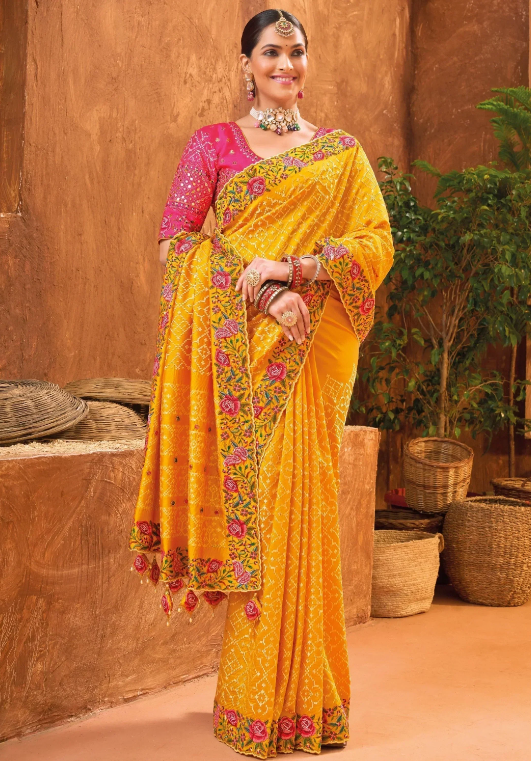
Fashion trends may change every season, but some styles remain timeless because of their cultural significance and enduring craftsmanship. Ethnically, few garments represent this balance as beautifully as the banarasi saree and other traditional Indian sarees. Known for their intricate weaving techniques, rich heritage, and elegant appeal, these sarees have remained an important part of women’s wardrobes for generations.
What makes traditional sarees remarkable is their ability to evolve without losing their identity. While modern fashion introduces new silhouettes, fabrics, and styling methods, classic sarees continue to inspire designers and fashion enthusiasts alike. Today, women are wearing traditional weaves in contemporary ways, proving that heritage fashion can remain relevant in a rapidly changing style landscape.
The Legacy Behind Traditional Indian Sarees
Sarees have long been an integral part of Indian fashion, reflecting regional craftsmanship, cultural traditions, and artistic excellence. Across different parts of the country, weaving communities have developed distinctive techniques that have been passed down through generations.
These traditions have resulted in a diverse range of Indian sarees, each carrying its own identity through fabric, motifs, and weaving styles. Beyond their visual appeal, these sarees represent a connection to history, craftsmanship, and cultural storytelling.
In an era dominated by fast fashion, traditional sarees continue to stand out because they offer something more meaningful than temporary trends.
Why Banarasi Sarees Remain Timeless
Among the many traditional weaves available today, the banarasi saree continues to hold a special place ethnically. Renowned for its luxurious texture and detailed craftsmanship, it has long been associated with celebrations, weddings, and significant life events.
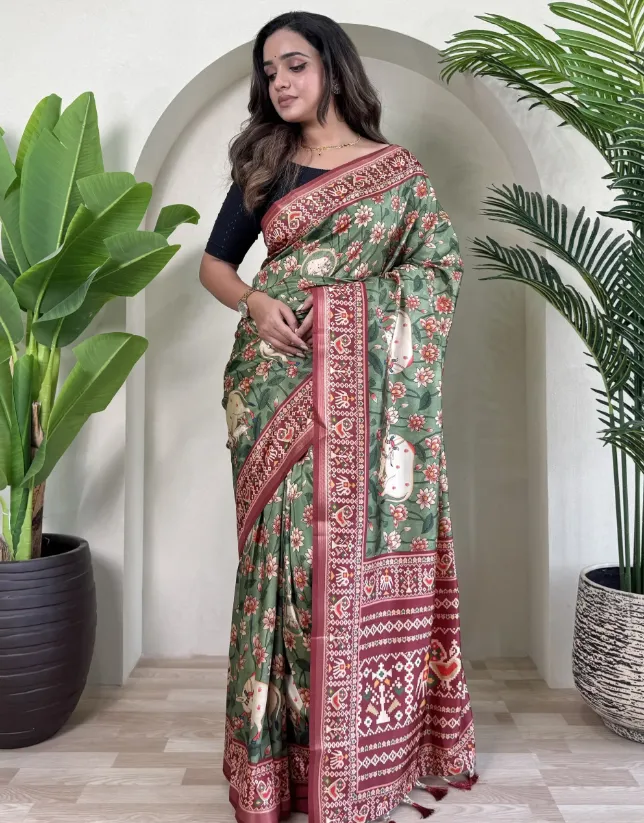
The beauty of a Banarasi saree lies in its weaving rather than excessive embellishment. Intricate patterns, elegant motifs, and rich textures create visual depth that remains appealing across generations.
What makes Banarasi sarees particularly remarkable is their versatility. While they are often chosen for weddings and formal occasions, contemporary styling has made them suitable for receptions, festive celebrations, and cultural events as well.
This ability to adapt to changing fashion preferences has contributed significantly to their lasting popularity.
How Heritage Weaves Influence Modern Designers
Fashion often draws inspiration from the past, and traditional weaving techniques continue to influence contemporary ethnic wear collections.
Many modern designers incorporate elements inspired by traditional sarees into their creations. Classic motifs, intricate borders, and heritage-inspired patterns frequently appear in modern garments, including lehengas, gowns, and fusion wear.
The influence of traditional craftsmanship extends beyond sarees themselves. Designers increasingly recognize that heritage textiles offer authenticity and artistic value that cannot be easily replicated.
As a result, traditional weaving styles continue to inspire innovation within modern fashion.
The Shift Toward Meaningful Fashion Choices
Today’s consumers are becoming more conscious about what they wear and why they choose certain garments. This growing awareness has encouraged greater appreciation for handcrafted textiles and traditional artistry.
Many women are now investing in ethnic wear that carries cultural value and long-term relevance rather than focusing solely on short-lived fashion trends.
Traditional Indian sarees fit naturally into this shift because they combine beauty with craftsmanship. They often become treasured wardrobe pieces that can be worn repeatedly and passed down through generations.
This emotional and cultural significance is one reason traditional sarees continue to remain important in contemporary fashion.
Styling Traditional Sarees for Modern Occasions
One of the reasons traditional sarees have remained relevant is their adaptability. Modern styling techniques allow women to create fresh looks while preserving the elegance of the garment.
Some popular contemporary approaches include:
- Pairing traditional sarees with modern blouse designs
- Experimenting with minimalist jewelry
- Choosing structured silhouettes for a refined appearance
- Blending classic weaves with contemporary accessories
These styling choices help bridge the gap between heritage fashion and modern preferences.
Rather than changing the saree itself, women are finding new ways to express personal style through thoughtful presentation.
Why Traditional Weaves Continue to Appeal to Younger Generations
A common misconception is that heritage fashion only appeals to older generations. In reality, younger consumers are increasingly embracing traditional textiles because they offer uniqueness in a world of mass-produced fashion.
Social media, fashion influencers, and celebrity styling have also contributed to renewed interest in classic sarees. Younger women are discovering that traditional weaves can feel just as fashionable as contemporary outfits when styled creatively.
This renewed appreciation has helped preserve traditional craftsmanship while introducing it to new audiences.
Preserving Craftsmanship Through Fashion
Traditional weaving techniques require skill, patience, and years of expertise. Supporting these textiles helps sustain artisan communities and preserve cultural traditions that have existed for centuries.
When women choose handcrafted sarees, they are not only investing in beautiful garments but also contributing to the continuation of valuable artistic practices.
As awareness grows around craftsmanship and sustainability, traditional textiles are likely to become even more important within the fashion industry.
Final Thoughts
The enduring popularity of the banarasi saree and other Indian sarees demonstrates that fleeting trends do not define true style. These timeless garments continue to inspire modern fashion through their craftsmanship, cultural significance, and remarkable versatility.
As women increasingly seek fashion that combines elegance with authenticity, traditional weaves remain as relevant as ever. Whether worn for weddings, festive celebrations, or cultural occasions, these sarees represent a perfect example of how heritage and modern style can coexist beautifully.